Natural Nutrition for Men

Discover the science behind essential nutrients and their natural food sources

Why Nutrition Matters

Understanding the role of natural foods and key nutrients in supporting daily health and wellbeing

Foundations of Healthy Eating

Proper nutrition is fundamental to maintaining overall health and supporting the body's daily functions. For adult males, specific nutrients play essential roles in energy metabolism, muscle function, immune response, and cognitive performance.

Natural food sources provide a complex matrix of nutrients, including vitamins, minerals, proteins, and phytonutrients that work synergistically within the body. Understanding these components helps individuals make informed dietary choices based on scientific principles.

This educational resource explains how common nutrients function in the body, where they are naturally found, and the role they play in everyday physiology. All information is presented for educational purposes only.


Natural nutrition sources

Main Micronutrients

Key vitamins and minerals essential for men's health

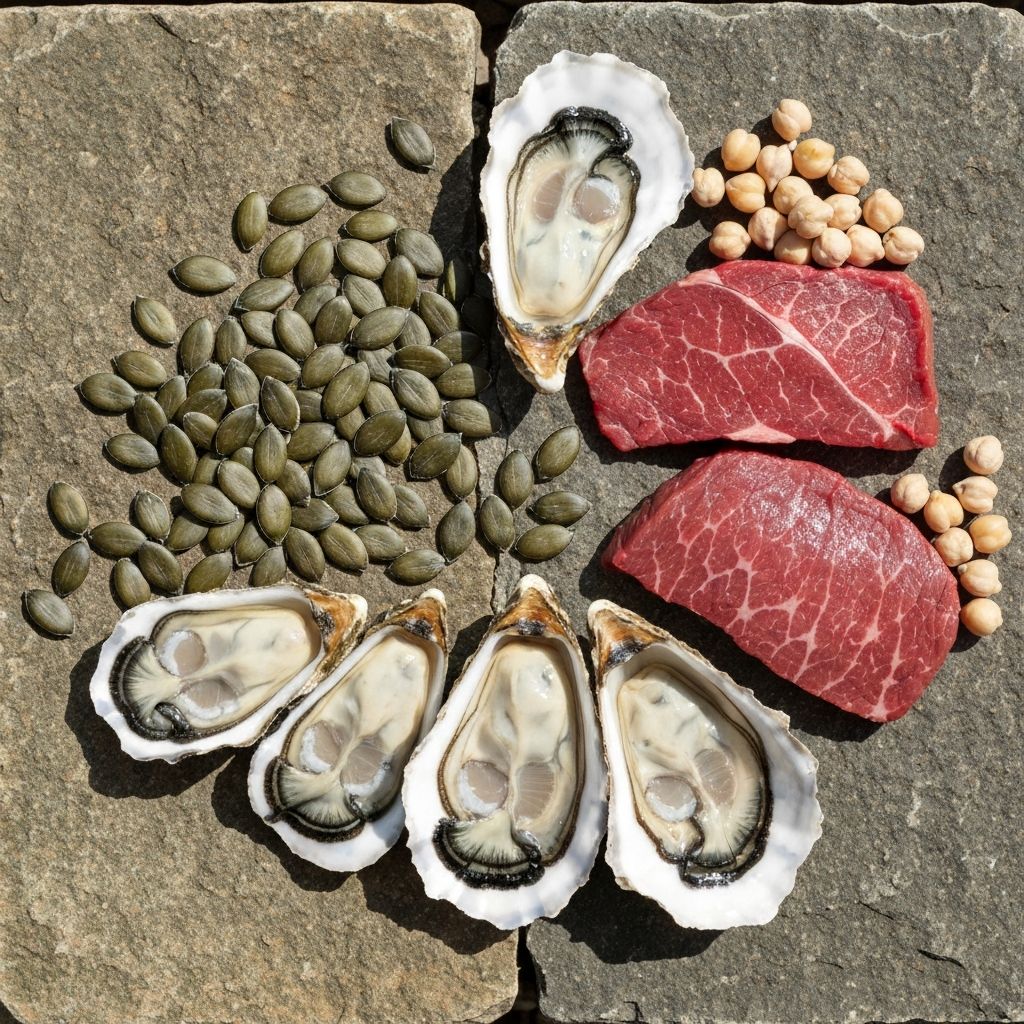
Zinc

Supports immune function, enzyme activity, and protein synthesis. Natural sources include oysters, beef, pumpkin seeds, and chickpeas.

Selenium

Acts as an antioxidant and supports thyroid function. Brazil nuts are notably rich in selenium, along with seafood and whole grains.

Omega-3 Fatty Acids

Support cardiovascular and cognitive health. Found abundantly in fatty fish like mackerel, salmon, and sardines, as well as flaxseeds and walnuts.

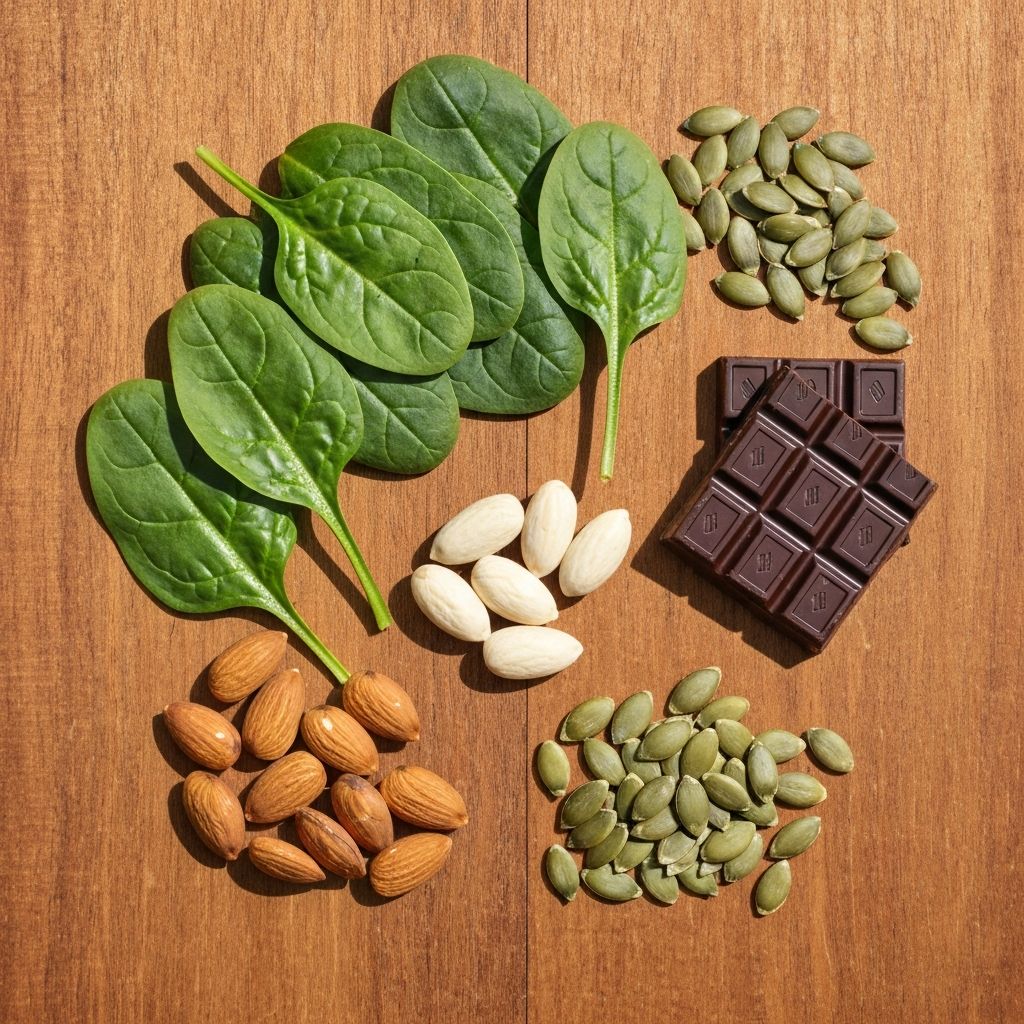
Magnesium

Essential for muscle function, energy production, and nervous system health. Sources include spinach, almonds, pumpkin seeds, and dark chocolate.

Vitamin K

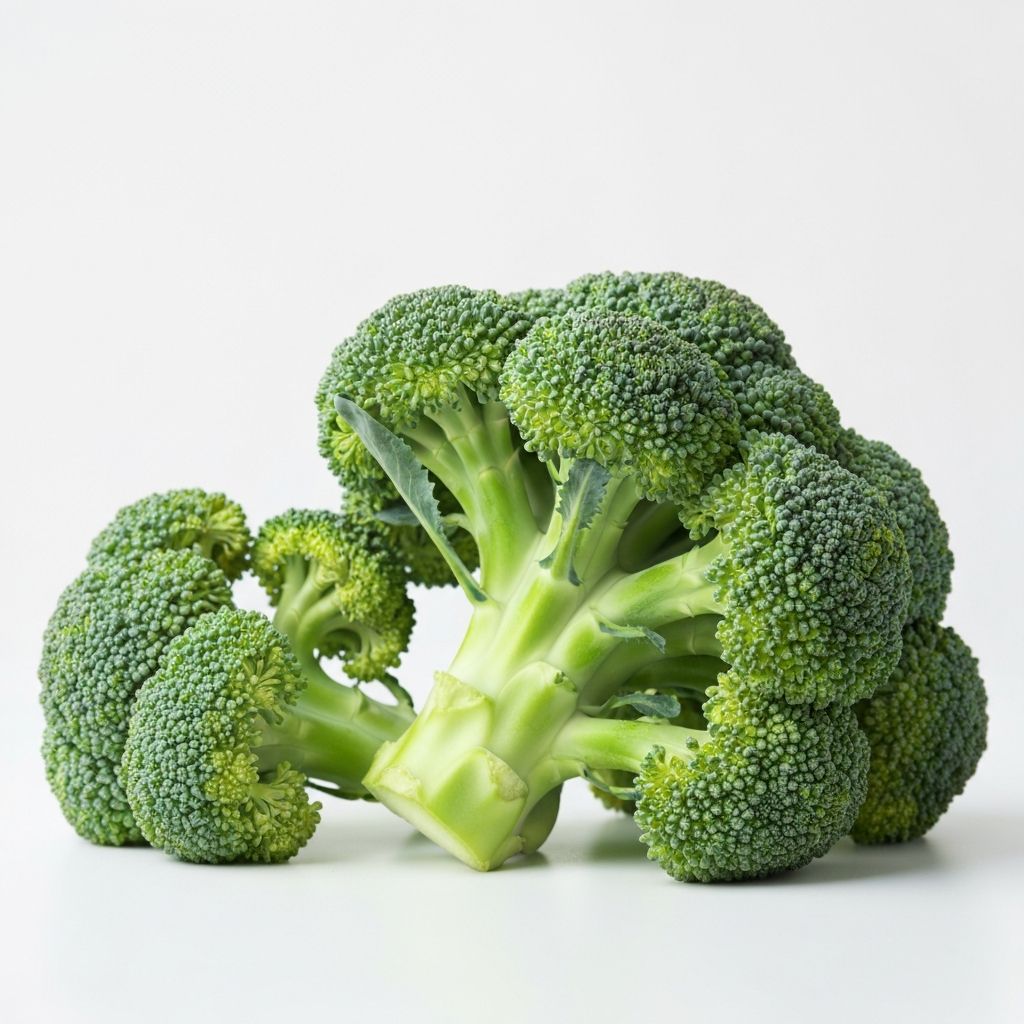
Important for bone metabolism and blood clotting. Leafy greens like broccoli and kale are excellent sources of this nutrient.

Folate

Supports cellular function and DNA synthesis. Found in leafy greens, legumes, asparagus, and other vegetables.

Example Food Sources

Three examples of nutrient-dense natural foods

Fresh mackerel

Mackerel

A fatty fish rich in omega-3 fatty acids, which support cardiovascular and brain health. Also contains selenium and vitamin D.

Omega-3
Brazil nuts

Brazil Nuts

Exceptionally high in selenium, a trace mineral supporting thyroid function and antioxidant defense. Also provide magnesium and copper.

Selenium
Fresh broccoli

Broccoli

A cruciferous vegetable rich in vitamin K, folate, and vitamin C. Contains bioactive compounds and supports bone health.

Vitamin K
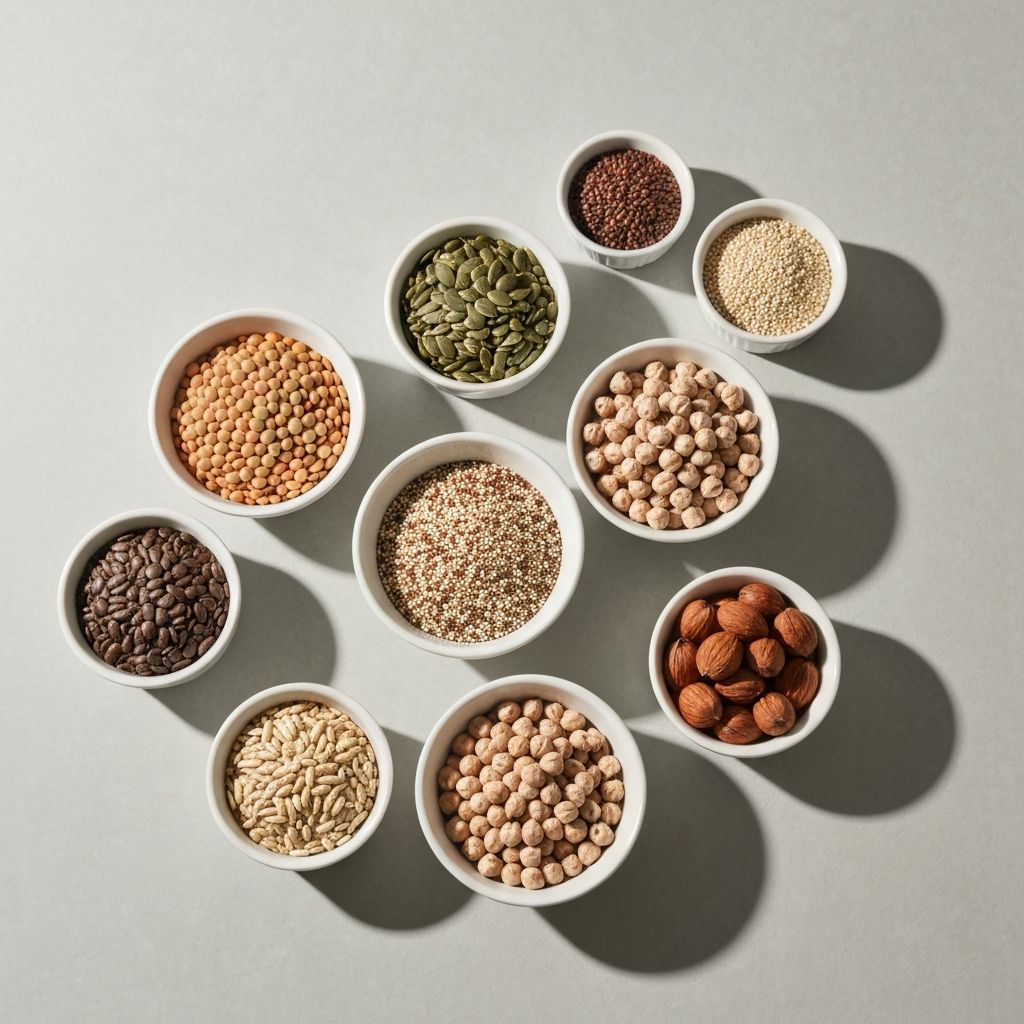
Protein-rich foods

Role of Protein

Building Blocks of Health

Protein is essential for numerous biological processes in the body. It serves as the primary structural component of muscles, enzymes, and hormones. Amino acids, the building blocks of protein, are required for muscle maintenance, immune function, and countless enzymatic reactions.

Natural protein sources such as legumes, nuts, seeds, and whole grains provide complete or complementary amino acid profiles. Plant-based and animal-based proteins each offer unique nutritional benefits and can be combined to meet daily requirements.

Antioxidants in Daily Diet

Understanding antioxidants and their natural sources

Protective Compounds

Antioxidants are compounds that help protect cells from oxidative stress caused by free radicals. This natural process occurs in all bodies and is part of normal metabolism, but environmental factors can increase oxidative load.

Common antioxidants include vitamins C and E, selenium, and various polyphenols found in plants. These compounds are abundant in colorful vegetables, fruits, nuts, and seeds, making them accessible through everyday food choices.

Antioxidant-rich foods

Hydration and Nutrient Absorption

Water's Role in Health

Water is essential for nutrient transport, digestion, and the absorption of both water-soluble and fat-soluble vitamins. Proper hydration supports metabolic processes, temperature regulation, and cognitive function.

Micronutrient absorption depends on several factors, including adequate water intake, digestive health, and the presence of complementary nutrients. For example, fat-soluble vitamins (A, D, E, K) are best absorbed when consumed with dietary fat.

Individual hydration needs vary based on activity level, climate, and overall health. General recommendations suggest adequate fluid intake throughout the day, though specific requirements vary among individuals.

Complementary Nutrient Pairs

Certain nutrients are better absorbed or more effective when consumed together. For instance, vitamin C enhances the absorption of non-heme iron found in plant foods, while dietary fat facilitates the absorption of fat-soluble vitamins.

Common Misconceptions

Clarifying widespread beliefs about nutrition

Myth: More is Always Better

Excessive intake of certain nutrients can be counterproductive. The body has optimal ranges for nutrient absorption and utilization. A balanced approach based on established guidelines is more effective than megadosing.

Myth: Supplements Replace Food

Whole foods provide nutrient synergies and bioactive compounds that isolated supplements cannot replicate. Food sources offer complex matrices of vitamins, minerals, and phytonutrients working together.

Myth: All Nutrients Are Equal

The bioavailability and effectiveness of nutrients vary based on their source, form, and accompanying compounds. Natural food sources often provide superior nutrient utilization compared to synthetic alternatives.

Myth: One Diet Fits All

Nutritional needs vary among individuals based on genetics, activity level, health status, and metabolic factors. Personalized approaches considering individual circumstances are more appropriate than universal recommendations.

Seasonal produce

Seasonal Food Choices

Eating with Nature's Cycles

Different seasons offer different nutrient-rich produce. Spring vegetables like asparagus and leafy greens are particularly rich in folate. Summer provides abundant antioxidant-rich berries and colorful vegetables.

Fall and winter bring root vegetables, squashes, and cruciferous vegetables that store well and provide diverse nutrients. Seasonal eating naturally encourages dietary variety and rotation of different nutrient profiles throughout the year.

Locally sourced seasonal foods often have superior nutrient density compared to foods transported long distances, as they reach consumers closer to harvest time with better nutrient retention.

Factors Affecting Nutrient Absorption

Digestive Health

A healthy digestive system is essential for breaking down food and absorbing nutrients. Factors like stomach acid production, digestive enzyme activity, and intestinal health directly impact nutrient bioavailability.

Food Preparation

How food is prepared affects nutrient availability. Cooking can increase the availability of some nutrients while potentially reducing others. Proper food handling maintains nutritional integrity.

Nutrient Interactions

Some nutrients enhance absorption of others, while some can inhibit it. Understanding these interactions helps explain why whole foods are often more beneficial than isolated supplements.

Individual Factors

Age, health status, medications, and metabolic rate influence how efficiently the body absorbs and utilizes nutrients. These individual variations explain why nutrient requirements and recommendations can differ among people.

The Balanced Plate Concept

Visualizing nutritional balance in everyday meals

Creating Balanced Meals

A balanced plate typically includes protein sources, whole grains or starchy vegetables, non-starchy vegetables, and healthy fats. This visual approach helps guide portion sizes and nutrient distribution across meals.

The specific proportions and food choices can vary based on individual preferences, cultural backgrounds, and dietary approaches. The key principle is ensuring variety and covering all major nutrient categories throughout daily meals.

Science Behind Nutrients

Brief overview of nutritional science and research

Metabolism

Nutrients are metabolized through various biochemical pathways to produce energy (ATP), support growth, and enable countless physiological processes. Understanding basic metabolism helps explain why nutrition matters.

Bioavailability

The term bioavailability refers to the proportion of a nutrient that is absorbed and available for use by the body. This varies based on nutrient source, food matrix, and individual factors.

Enzymatic Function

Many vitamins and minerals function as cofactors for enzymes that catalyze essential reactions. These micronutrients enable thousands of metabolic processes critical to health and survival.

Research and Evidence

Nutritional science is based on peer-reviewed research, epidemiological studies, and clinical trials. Scientific evidence continuously evolves, and dietary recommendations are updated as new information emerges.

Educational content only. No promises of outcomes.

Important Context and Limitations

All materials on this website are presented for informational and educational purposes only. This content does not constitute personal medical advice or professional health consultation. Every individual has unique nutritional needs based on genetics, lifestyle, health conditions, and other factors.

The information provided here is not intended to diagnose, treat, cure, or prevent any medical condition. If you have specific health concerns or questions about your individual nutritional needs, please consult with a qualified healthcare professional or registered dietitian.

Different dietary approaches may be appropriate for different individuals. What works for one person may not be suitable for another. Personal circumstances, preferences, and professional guidance should always inform dietary choices.

Explore More Information

Learn more about nutrition facts and food science through additional resources

Read Detailed FAQ